REPUBLIC OF THE FIJI ISLANDS• Official name: Republic of the Fiji Islands
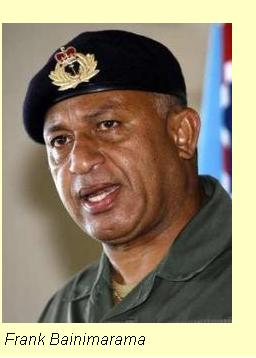
Fiji became independent in October 1970. The ethnic Fijians feared Indian economic domination, but so long as the Fijians voted as a bloc the Indians were excluded from political power. The Fijian-dominated Alliance Party ruled until April 1987, when a new Fiji Labour Party split the Fijian vote. This allowed the Labour leader, Dr Timoci Bavandra, to become Prime Minister with the support of the Indian-dominated National Federation Party. This angered Fijian nationalists, and Col Sitiveni Rambuka seized power in a coup in May. Rambuka ruled until 1990, when he allowed the resumption of parliamentary government under a constitution which guaranteed that the ethnic Fijians would always control the government. In 1998, however, this provision was liberalised. As a result, Labour won the 1999 elections in alliance with minor Fijian parties and an Indian-Fijian, Mahendra Chaudhry, became Prime Minister. This provoked a group of armed extremist Fijians led by George Speight to take the Parliament hostage in May 2000. After a prolonged standoff Speight was arrested, but in the meantime the President had dismissed Chaudhury and, after a period of interim government, called fresh elections, which were won by the conservative ethnic Fijian United Fiji Party (Soqosoqo Duavata ni Lewenivanua, SDL), led by Laisenia Qarase. The SDL again won elections in May 2006. Qarase's government wanted to pardon some of those involved in the 2000 coup, but this was unacceptable to the military. In December 2006 they seized power again, deposing Qarase and making Frank Bainimarama, a naval officer, Prime Minister. The then President, Josefa Iloilo, acquiesced in this, but when in April 2009 the Fijian courts ruled that the 2006 takeover was illegal, Bainimarama abrogated the Constitution and has ruled as a military dictator since. Freedom House's 2009 report on Fiji (which was written before Bainimarama's 2009 seizure of power) says: "Fiji is not an electoral democracy, due primarily to the latest [2006] military coup... Official corruption and abuses are widespread. Repeated government reform pledges have not produced significant results, and some corruption charges may have been politically motivated... The government has considerable legal authority to restrict the media. The Television Act allows the government to control content, and the Press Correction Act authorises the arrest of anyone who publishes "malicious" material. Nevertheless, Fiji's vibrant media persist in the face of lawsuits, arrests, and intimidation by the authorities... The judiciary is independent [since 2009 no longer the case], and trials are generally free and fair, but a lack of resources and trained professionals has created a severe backlog for court hearings." Updated February 2010 |